Rolex GMT-Master II
We currently have 10 Rolex GMT-Master II watches. Every piece is available to order, with prices on request.
10 watches
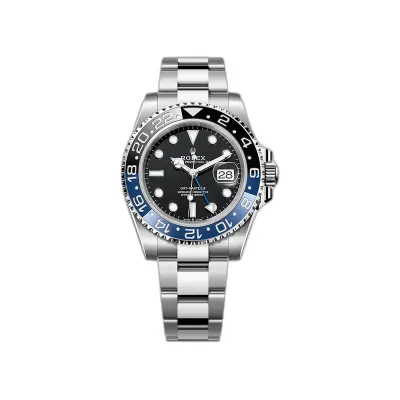
Rolex
Rolex GMT-Master II 40 mm
Stainless steel · black dial
Ref. 126710BLNR-0003 · New
Price on request
Available to order
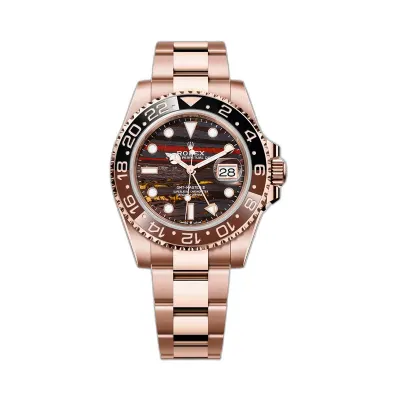
Rolex
Rolex GMT-Master II 40 mm
Rose gold · brown dial
Ref. 126715CHNR-0002 · New
Price on request
Available to order
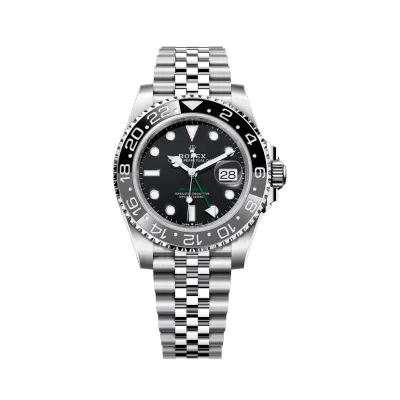
Rolex
Rolex GMT-Master II 40 mm
Ceramic and stainless steel · black dial
Ref. 126710GRNR-0003 · New
Price on request
Available to order
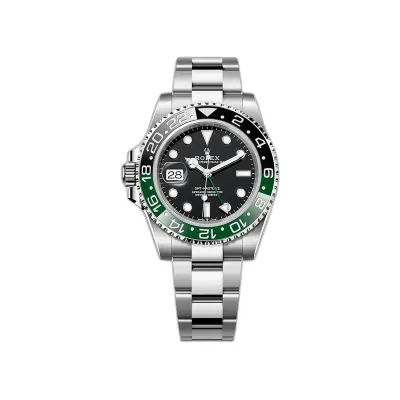
Rolex
Rolex GMT-Master II 40 mm
Stainless steel · black dial
Ref. 126720VTNR-0001 · New
Price on request
Available to order
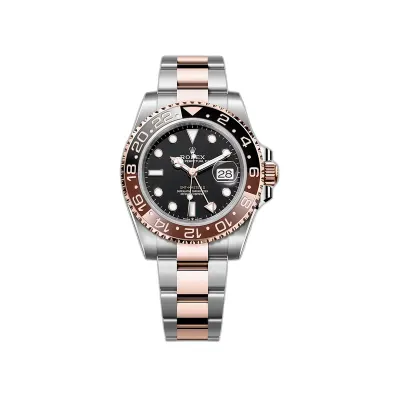
Rolex
Rolex GMT-Master II 40 mm
Rose gold and stainless steel · black dial
Ref. 126711CHNR-0002 · New
Price on request
Available to order
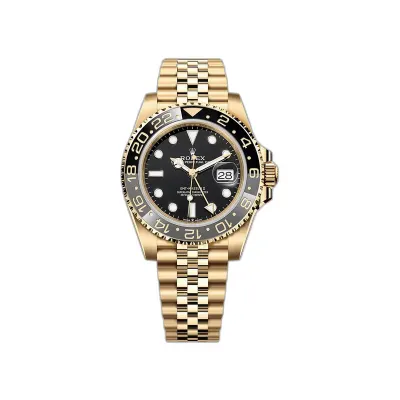
Rolex
Rolex GMT-Master II 40 mm
Ceramic and yellow gold · black dial
Ref. 126718GRNR-0001 · New
Price on request
Available to order
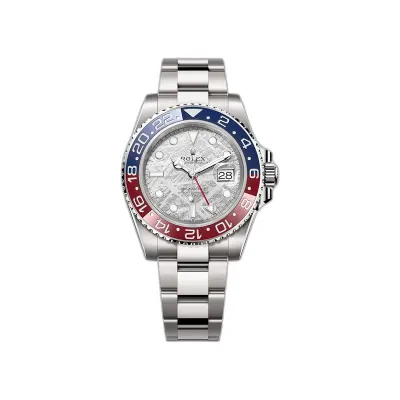
Rolex
Rolex GMT-Master II 40 mm
White gold · meteorite dial
Ref. 126719BLRO-0002 · New
Price on request
Available to order
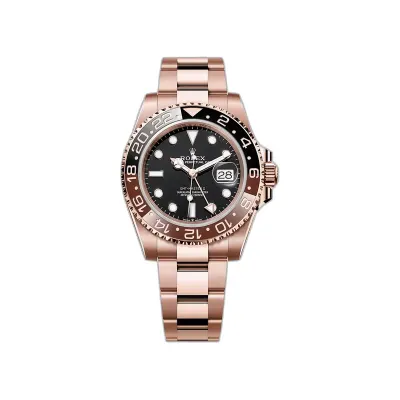
Rolex
Rolex GMT-Master II 40 mm
Rose gold · black dial
Ref. 126715CHNR-0001 · New
Price on request
Available to order
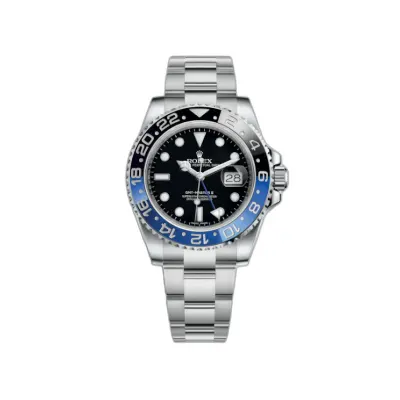
Rolex
Rolex GMT-Master II 40 mm
Stainless steel · black dial
Ref. 116710BLNR-0002 · New
Price on request
Available to order
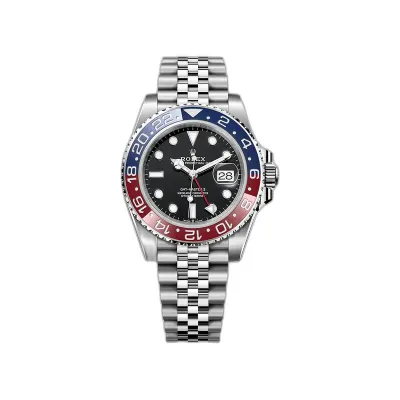 Pre-owned
Rolex
Rolex GMT-Master II 40 mm
Stainless steel · black dial
Ref. 126710BLRO-0001 · Pre-owned
Price on request
Available to order
No watches match these filters
Try removing a filter, or ask us for the piece you are looking for.
What is the GMT-Master II?
The GMT-Master II is the Rolex watch for following two time zones at once. Local time is read from the central hands; reference time from a 24-hour hand that points to the 24-hour graduated bezel. The bezel turns both ways, and once it is moved the same hand shows a third zone. When you travel, the local hour hand is adjusted in one-hour jumps, forwards or backwards, without stopping the watch. The case measures 40 mm and is water-resistant to 100 metres.
The family descends from the GMT-Master of 1955, reference 6542, which already wore the red and blue bezel. The independent hour hand arrived in 1982 and brought the GMT-Master II name with it. Setting it step by step, following Rolex’s instructions, is covered in our GMT-Master II guide.
Bezels, letters and nicknames
What sets one GMT-Master II apart from another is mainly the bezel. Rolex introduced its first ceramic insert, in black, on this model in 2005, and in 2013 managed its first two-colour one, in blue and black. The letters at the end of the reference sum up those colours, and almost every combination has a collectors’ nickname that Rolex itself does not use.
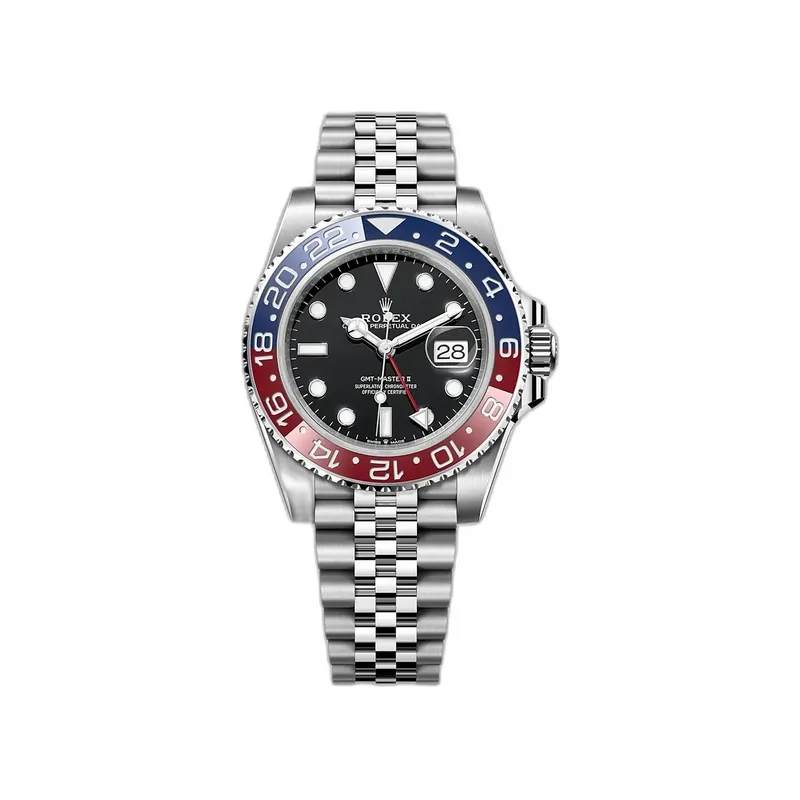
Blue and black (BLNR) is the “Batman”, which began with the 116710BLNR of 2013 and carried on in the 126710BLNR. Blue and red (BLRO), the colours of the first GMT-Master, is the “Pepsi”: it came back in white gold in 2014 and in steel in 2018 as the 126710BLRO, and in 2026 Rolex withdrew every version from its catalogue. Brown and black (CHNR) is the “Root Beer” of 2018, in steel and Everose gold (126711CHNR) or solid Everose gold (126715CHNR). Green and black (VTNR) is the “Sprite”, launched in 2022 in steel with the crown and date on the left-hand side (126720VTNR). Grey and black (GRNR) arrived in 2023 in yellow gold (126718GRNR) and in steel and yellow gold (126713GRNR), then in 2024 in steel as the 126710GRNR, nicknamed “Bruce Wayne”, although not everyone has taken to the name. The story behind each one is in our article on Rolex nicknames.
Materials, dials and bracelets
The GMT-Master II has been made in Oystersteel, in Rolesor, which pairs steel with yellow or Everose gold, and in Everose, yellow and white gold. The dial is usually black, although there are exceptions in gold. The white gold 126719BLRO was offered with a blue or a meteorite dial. In 2025 the 126715CHNR gained a tiger iron dial, a natural stone, and the white gold 126729VTNR, also with a left-hand crown, introduced a green ceramic dial.
There are two bracelets, the Oyster and the Jubilee, the latter with five pieces per link. In steel, several references have been offered on either, and the final number tells you which: the 126710GRNR-0003 is on a Jubilee and the -0004 on an Oyster. In gold it depends on the model: the 126715CHNR and 126729VTNR come on an Oyster in the same metal as the case, and the 126718GRNR on a Jubilee.
Generations and what to check
From the outside the last two generations look very alike, so the reference is what counts. Those from the previous generation, such as the 116710BLNR, begin with 1167 and use calibre 3186, from 2005; those introduced from 2018 onwards, such as the 126710BLNR or the 126710BLRO, begin with 1267 and use the 3285, with the Chronergy escapement and a power reserve of around 70 hours. The letters confirm the bezel, the side of the crown singles out the VTNR models, and the final number the bracelet.
Each watch page gives the reference, the condition, the specifications and whether a certificate is included. The image is the model’s reference image, and you can ask us for photos of the piece. Every watch is price on request and available to order. If you are looking for a “Pepsi” or another combination that is not on this page, you can request a model. And if you are torn between this and a dive watch, compare it with the Rolex Submariner.
Questions about Rolex GMT-Master II
What is the GMT-Master II “Pepsi”, and is it still made?
Pepsi is the nickname for the GMT-Master II with a blue and red bezel, coded BLRO, the colours of the first GMT-Master of 1955. In the ceramic era it returned in white gold in 2014 and in steel in 2018, as the 126710BLRO. In 2026 Rolex dropped every version with that bezel from its catalogue, including the white gold 126719BLRO with a blue or meteorite dial.
How can I tell which generation a GMT-Master II belongs to?
From the reference. Those from the previous generation, such as the 116710BLNR of 2013, begin with 1167 and use calibre 3186, introduced in 2005. Those introduced from 2018 onwards, such as the 126710BLRO, begin with 1267 and use calibre 3285, with the Chronergy escapement and a power reserve of around 70 hours. Both generations have ceramic bezels, so at a glance they look very alike.
What does the final number of the reference, such as -0003 or -0004, tell me?
It separates configurations within the same reference. On the steel GMT-Master II it can mark the bracelet: the 126710GRNR-0003 comes on a Jubilee and the 126710GRNR-0004 on an Oyster. That is why it pays to read the full reference on the watch page, not just the digits and letters, especially if you want a particular bracelet.
Which GMT-Master II is known as the “Root Beer”?
The models with a brown and black bezel, coded CHNR, introduced in 2018: the 126711CHNR in steel and Everose gold, and the 126715CHNR in solid Everose gold. Both use calibre 3285 and measure 40 mm. In 2025 the 126715CHNR also gained a tiger iron dial, a natural stone that combines tiger’s eye, red jasper and haematite.
Rolex GMT-Master II guides
All articles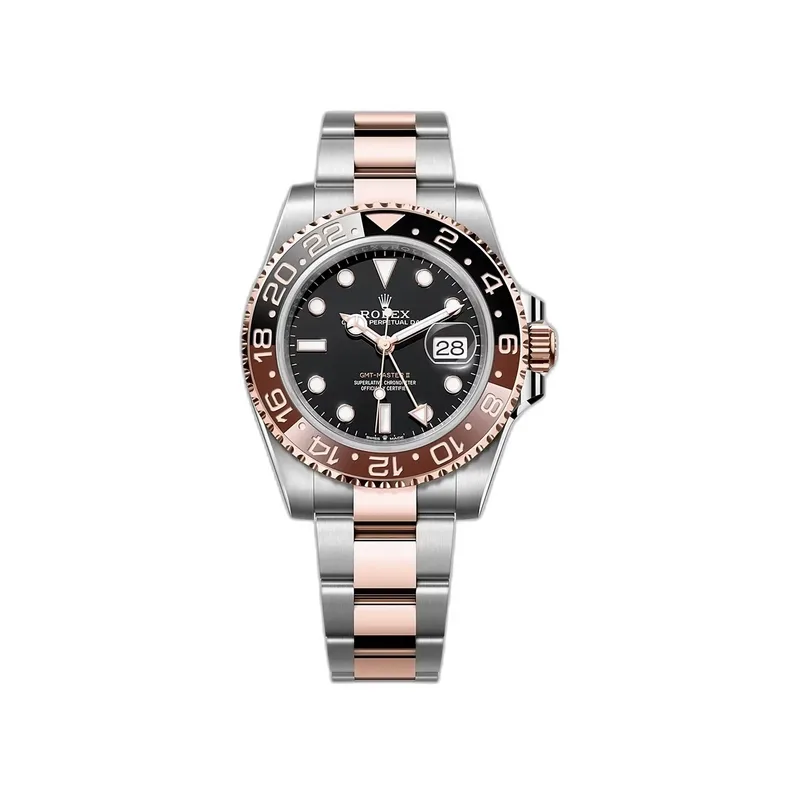
How to Read Rolex, Patek and AP Reference Numbers
What the digits and letters in Rolex, Patek Philippe and Audemars Piguet reference numbers mean: model, material, bezel and dial, with examples.
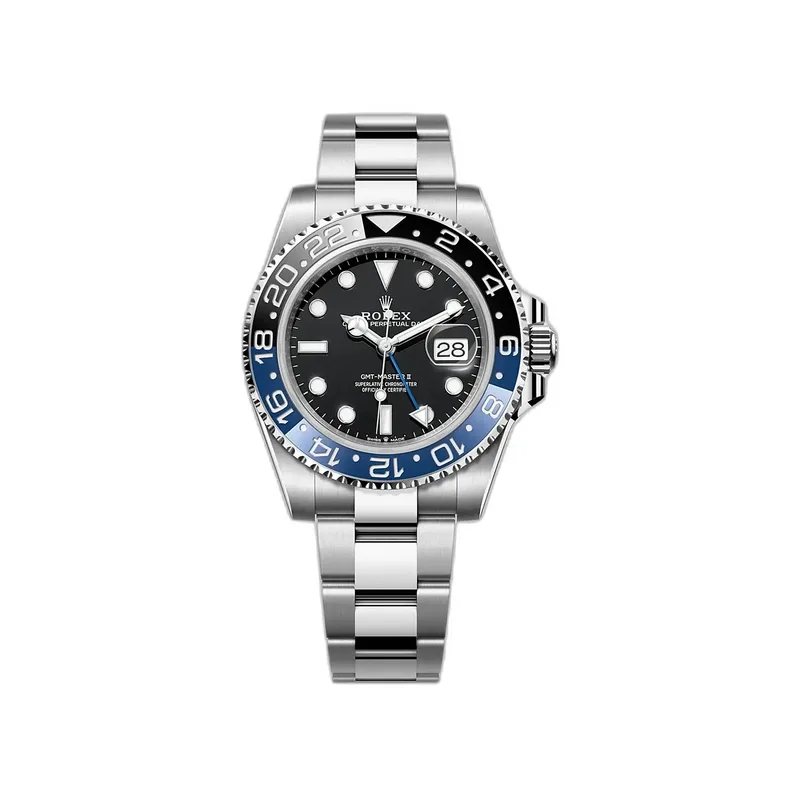
Rolex GMT-Master II: How It Works and the Main Versions
How to read two or three time zones with the Rolex GMT-Master II, from 1955 to today: calibre 3285, two-colour bezels, Oyster or Jubilee and materials.
Rolex Nicknames Explained: Pepsi, Batman, Hulk and More
The watch and reference behind each Rolex nickname: Pepsi, Batman, Root Beer, Sprite, Hulk, Panda, John Mayer and Wimbledon, and what the bezel codes mean.